
 1
Rangiroa is in the Tuamotu archipelago, northeast of Tahiti, and it is one of the largest atolls on earth. An atoll is a ring of coral reef and low islets around a lagoon, all that remains where a volcanic island has long since sunk beneath the sea. Here the ring is so large that the far side of the lagoon is out of sight from the shore. Standing on the narrow strip of land, you have the open Pacific on one side and a calm inland sea on the other.
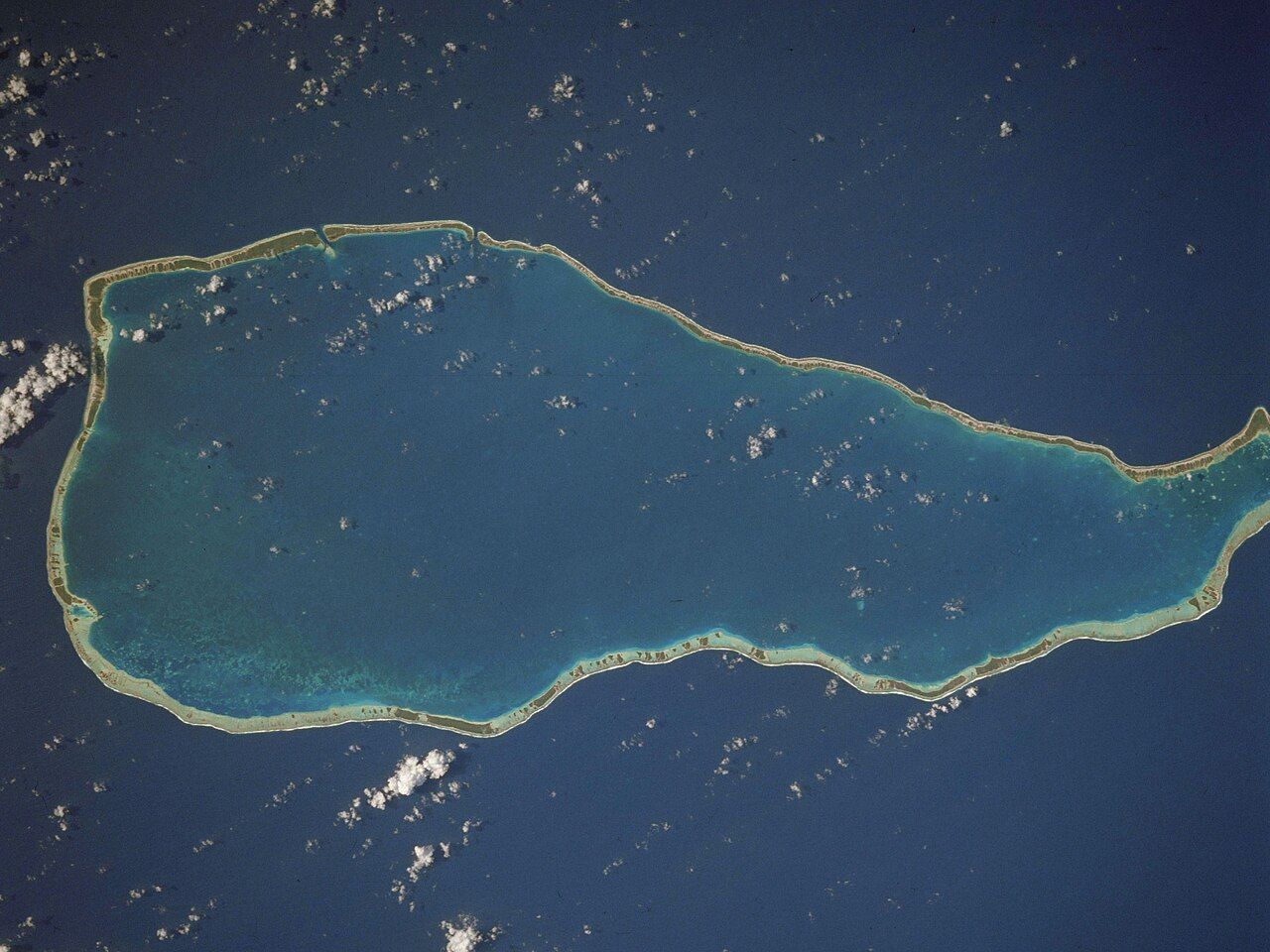
Life on a ring of coral
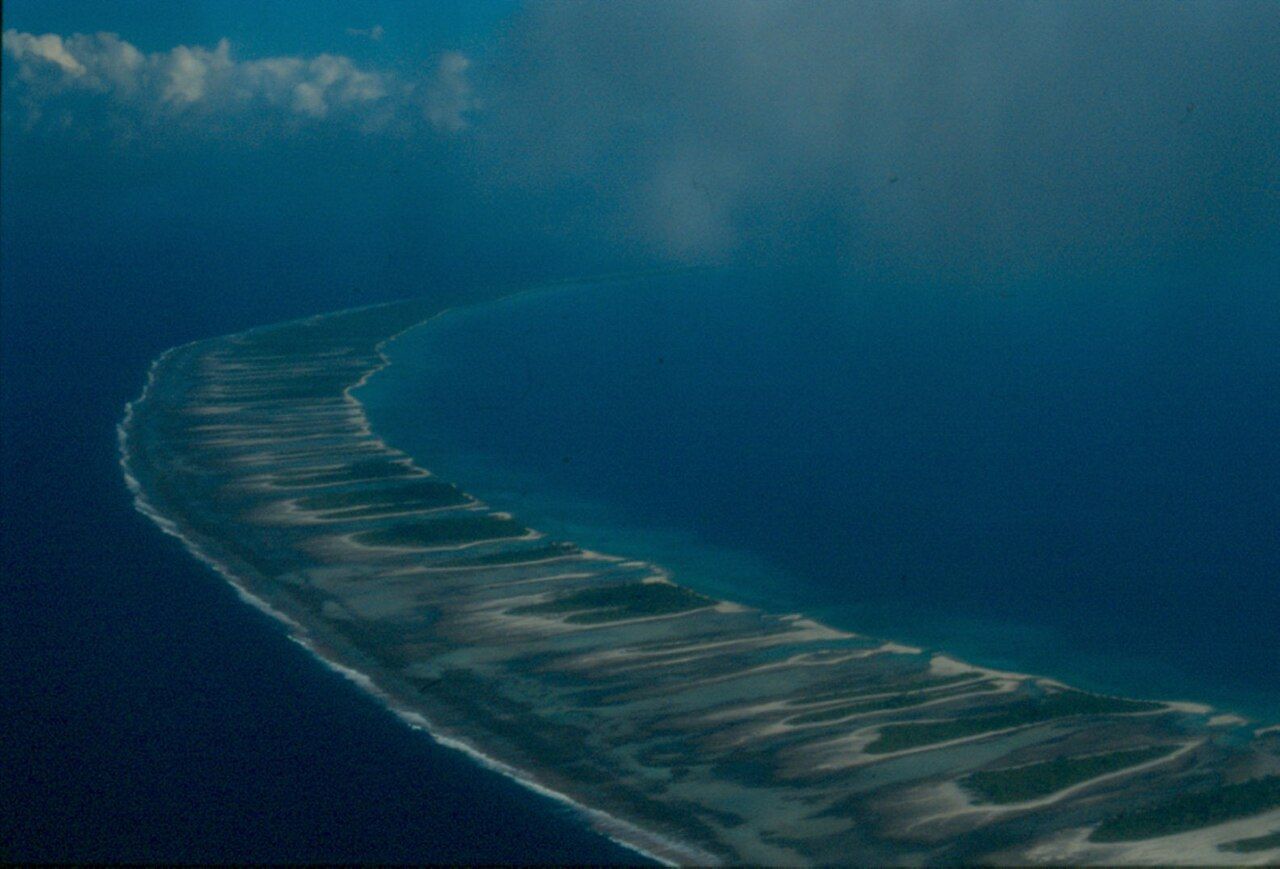
Most people live in two villages, Avatoru and Tiputa, each beside one of the main passes through the reef. The land is flat, sandy and narrow, often only a few hundred metres across, and covered with coconut palms. There are no mountains, no rivers and very little soil, which shapes everything from what grows here to what people eat.
Coconut has long been the backbone of the atoll economy. Copra, the dried flesh of the nut, is cut, sun-dried on racks and shipped to Tahiti to be pressed for oil. You may see the racks in gardens and smell the copra drying. Fresh, the coconut gives drinking water, grated flesh and the coconut milk used in almost every dish.
The passes and drift snorkelling
Twice a day, as the tide changes, huge volumes of water rush in and out of the lagoon through the passes. The Tiputa pass in particular is famous for the life it draws: schools of fish, rays, sharks and, often, dolphins playing in the standing waves near the mouth. On an incoming tide, the clear ocean water floods into the lagoon, and drift snorkelling over the coral there is a thrill.
Staying safe in moving water
- Never snorkel or swim in the passes on your own or on an outgoing tide; the current can carry you out to sea.
- Go with experienced local boat skippers who know the tides and will follow you in the water.
- Keep your hands to yourself: do not touch, chase or feed fish, sharks, rays or dolphins.
- Wear a rash top rather than heavy sunscreen, and keep your fins well clear of the coral.
The current is strong enough that even experienced swimmers should treat it with respect. On a calm day with good guidance, though, the drift through the pass is a rare sight.
Also on the menuA day in the shallows of Moorea's lagoon
The Blue Lagoon
On the far southwestern edge of the atoll, a lagoon within the lagoon forms where a chain of motu encloses a shallow pool of brilliant pale blue water. This is the Blue Lagoon. Reaching it takes a long boat crossing, and in rough weather the lagoon can be choppy, so pick a calm day and take motion-sickness tablets if you need them. Once there, the water is warm and knee-deep in places, the sand is white, and the colours look almost unreal. Wade gently, stay off the coral, and give the reef sharks that sometimes cruise the shallows a wide berth.
A vineyard on coral sand
One of the more surprising sights in French Polynesia is a vineyard on a motu in Rangiroa's lagoon. Grapes are grown in coral sand, a few metres from the sea, under a sun that never really takes a winter break. With no true seasons to follow, the vines are managed on their own tropical rhythm. The wines are made on the atoll and are among the few produced anywhere in these latitudes.
Look for the wine in shops on the atoll and on Tahiti; it is a novelty and priced accordingly. It pairs well with grilled reef fish and with poisson cru, a reminder that wine and raw fish in coconut milk can sit happily on one table.
Eating on the atoll
Fresh fish comes straight from the lagoon and the ocean, and the cooking is simple: grilled, fried, raw in lime and coconut milk, or cooked in coconut milk with rice. Bread arrives fresh each morning in the shops. Fruit and vegetables travel by boat and plane from Tahiti, so they are scarcer and dearer here than on the high islands.
A word on reef fish: ciguatera, a toxin from tiny organisms on coral reefs, can build up in some reef fish, and atolls can be affected. Local people know which species and which areas are safe, so eat fish that is sold or served locally rather than catching and cooking your own reef fish. Pelagic fish such as tuna are generally not a concern.
What to try
- Lagoon fish grilled and served with lime and rice.
- Fresh coconut, drunk straight from the nut.
- Poisson cru with ocean tuna, the island standard.
- A glass of the atoll's own wine at sunset.
When to go and getting there
Flights from Tahiti take about an hour, and some routes link Rangiroa with other atolls and with the Society Islands; see ferries, flights and costs. The drier months, roughly April to November, bring calmer water and better visibility, though diving and snorkelling are possible year-round. In the wetter season, squalls can make boat trips rough. Services on the atoll are limited, so carry cash, a reusable water bottle and anything you need for the sun.
If you love lagoon life, Rangiroa is the natural next step after a lagoon day on Moorea.
