
 1
The lagoon is the reason most people come to Moorea. A coral reef runs almost all the way round the island, a short distance offshore, and between the reef and the beach lies a band of warm, sheltered water that changes from pale green over the sand to deep blue in the channels. Waves break on the reef with a steady roar; inside it, the water is usually calm enough for a child to float.
A lagoon day is simple in principle: get on the water early, swim, look, eat, rest in the shade and come back before the afternoon wind picks up. Done carefully, it is also a chance to see wild rays and reef sharks at close range. This guide covers where to go in general terms, how to behave around wildlife and coral, and what to pack for lunch.
The motu and the shape of the lagoon
A motu is a low island of sand and coral on or near the reef. Moorea has a few, most notably off the northwest coast near Haapiti and Papetoai, where two motu lie close to the shore with a shallow, sandy channel between them. They have coconut palms, narrow beaches and water that is often only waist deep for long stretches.
Some motu are privately owned, and parts may be closed to visitors; respect any signs and fences. Others have public access to the beach. You reach them by kayak, paddleboard or small boat, and on calm days strong swimmers cross the narrowest channels, though currents can be stronger than they look. Check conditions locally before you set out.
The east coast lagoon around Temae is different again, with wide pale sand and long views towards Tahiti across the channel. Wherever you go, the lagoon is shallowest near the beach and drops away into channels, called hoa, where the water drains out through gaps in the reef. Keep away from those passes: the outgoing current can be strong enough to carry you onto the reef or out to sea.
Rays and blacktip reef sharks
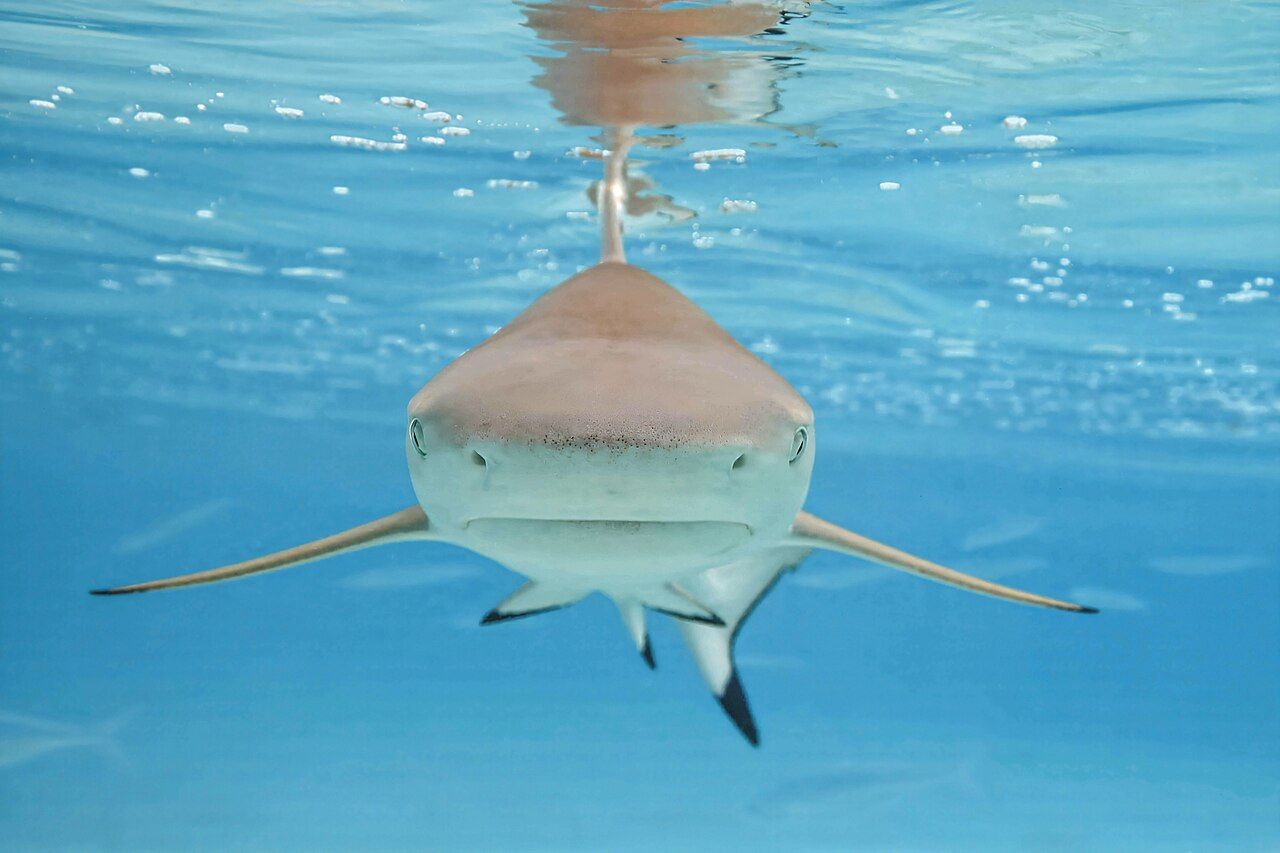
In several shallow sandbanks of the northern lagoon, pink whiprays and blacktip reef sharks gather close to people. The rays are flat, pale and wide, with long tails, and glide over the sand like slow kites. The sharks are slim, about a metre or a little more, with black-tipped fins, and they circle nervously at a distance.
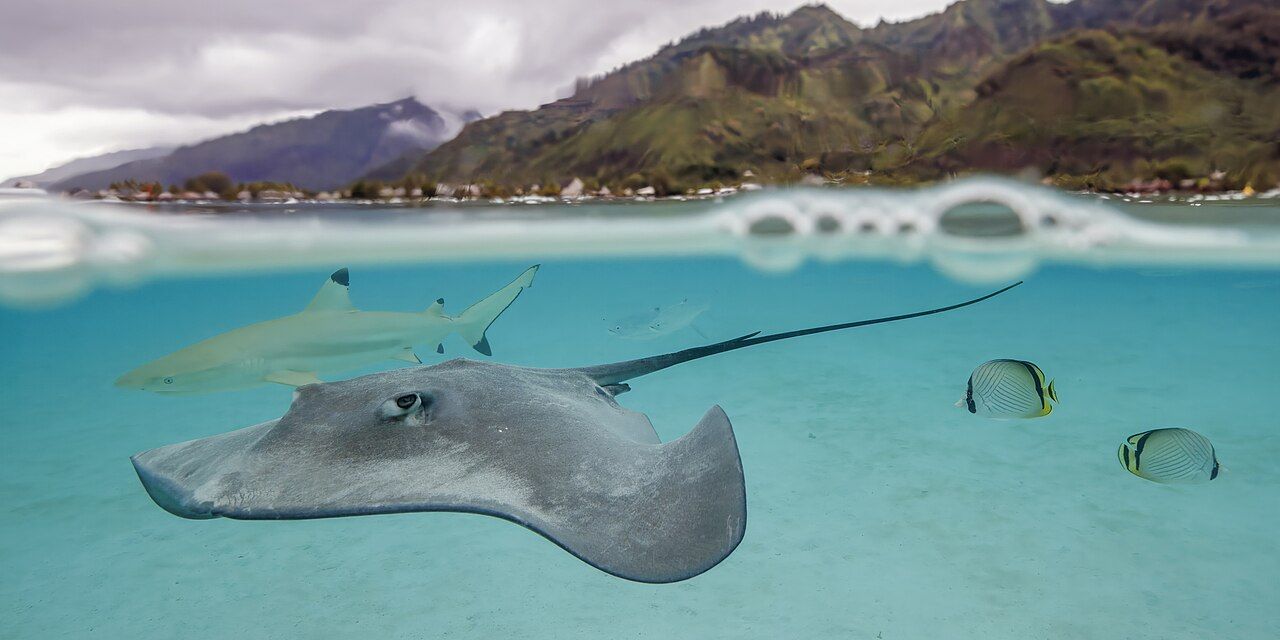
The reason they gather is that people fed them for years. Feeding changes how wild animals behave and is now discouraged; do not feed, touch, chase or hold any animal, whatever others around you are doing. Rays can sting if they are stepped on or grabbed, so shuffle your feet when you walk on sand. The sharks are timid and not considered dangerous to people who leave them alone, but they are wild animals with teeth: keep your hands to yourself and your distance steady.
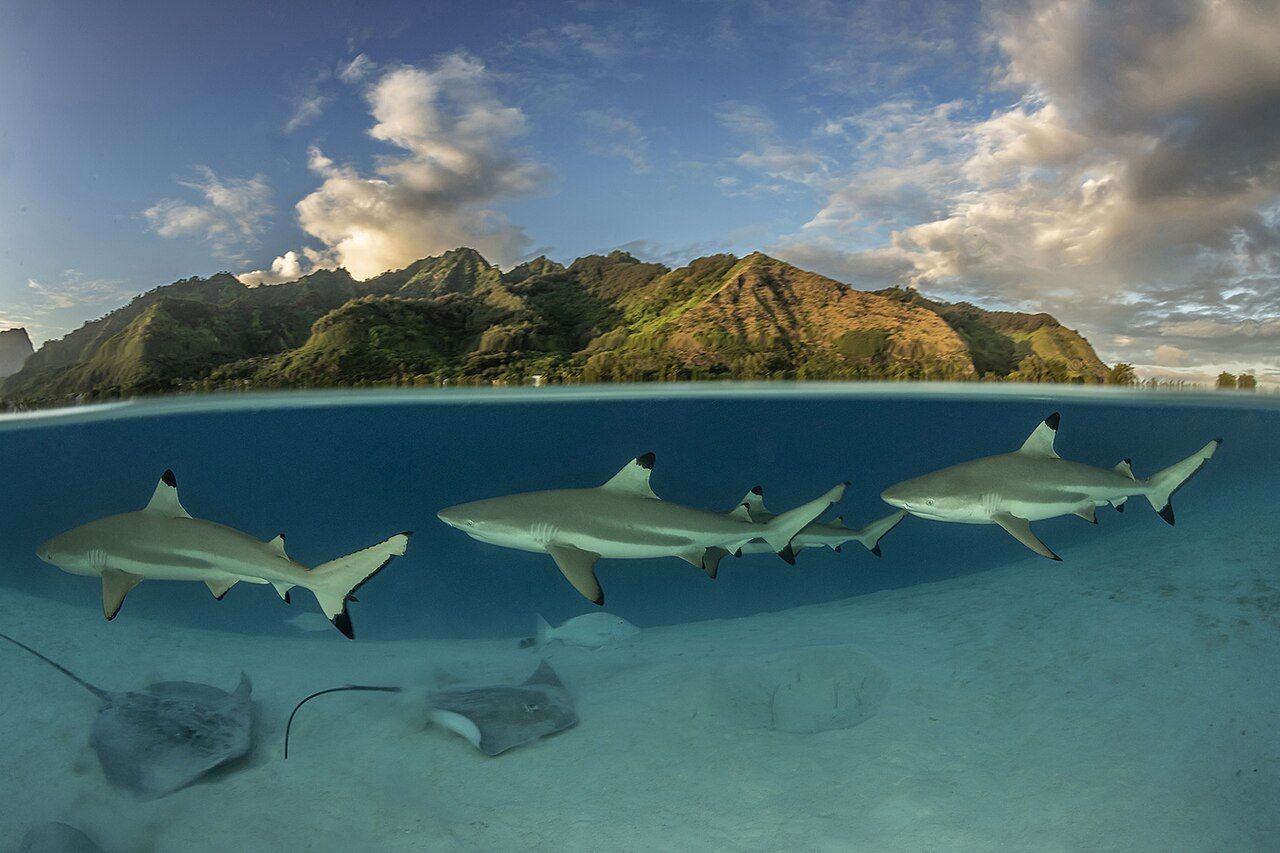
You may well see both species elsewhere in the lagoon without any crowd at all. Snorkel slowly over sand and coral and young blacktips often patrol the shallows close to the beach.
Snorkelling over coral
Also on the menuPoisson cru, the dish of the islands
The best snorkelling on Moorea is around coral heads in the inner lagoon, especially near the motu, where areas of branching and boulder coral shelter parrotfish, butterflyfish, damselfish and the occasional moray eel. Locals often refer to the best patches as the coral gardens. Visibility is usually clearest in the morning and on calm days, and after heavy rain runoff can cloud the water near river mouths.
Coral is alive and grows slowly. Never stand on it, kick it or hold on to it, and keep your fins up when you are near the bottom. If you are not a confident swimmer, wear a flotation vest; the lagoon looks gentle but tiring yourself out in deeper water is easy. Reef shoes protect your feet from coral, sea urchins and stonefish, which hide in the sand and rubble and have venomous spines.
Coral is alive and grows slowly.
Sunscreen matters here twice over. The sun is fierce in the middle of the day, and some chemical sunscreen ingredients harm coral. Wear a long-sleeved rash vest and a hat, use a mineral sunscreen on exposed skin, and apply it well before you swim so less washes off.

A picnic on the sand
Lunch on a motu is part of the day. Shop in the morning: a fresh baguette, cheese, fruit, a chilled portion of poisson cru from a snack bar or grocery, plenty of water and something sweet. The page on poisson cru explains what makes a good one. Keep raw fish in a cool bag with ice and eat it early. If you cannot keep it cold, choose grilled chicken or cooked food instead.
Some people still eat reef fish they catch themselves, but ciguatera, a form of food poisoning from toxins that build up in some reef fish, occurs in parts of French Polynesia. Leave fishing to local people who know which species and spots are safe, and buy fish from shops and markets instead. Ocean fish such as tuna is the usual choice for raw dishes.
Pack the cool bag the evening before if you can: freeze a couple of water bottles to use as ice packs, then drink them as they melt through the afternoon. Add a cutting board, a small knife, napkins and a bag for rubbish. Fruit that travels well in the heat includes bananas, limes and whole pineapples, which you can cut on the sand when you are ready. A green coconut, bought whole and opened on the spot, gives you a cold drink that needs no fridge.
Take every scrap of rubbish home with you, including fruit peel and coconut shells, which do not belong to the motu's natural cycle once they pile up around a picnic spot.
Timing, weather and staying safe
Calm water and clear light come most reliably in the cooler, drier months from about May to October, though trade winds can be strong in that season too. Mornings are usually calmer than afternoons. In the wetter months, roughly November to April, expect heavy showers and occasional storms; the lagoon can turn murky after rain.
Before you go out, tell your accommodation or a friend which part of the lagoon you plan to visit. Wear a hat and rest in the shade in the middle of the day. If you rent a kayak or paddleboard, ask about the wind forecast and the currents near the passes, and stay inside the reef. For the rest of the island, the coast road takes you past many of the beaches that give access to the lagoon.